Choosing a Solar Company to Boost Your Property Value in 2026
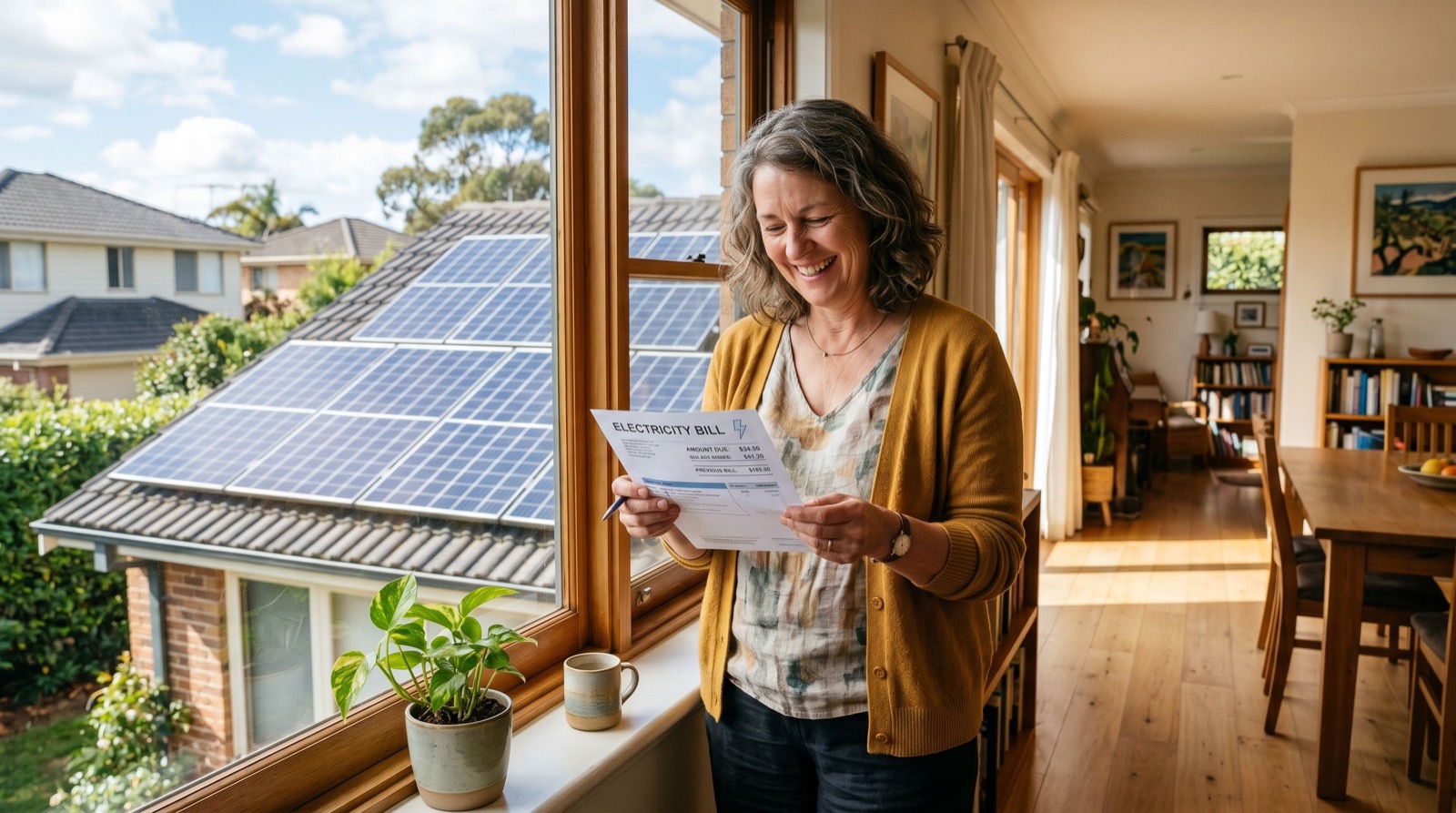
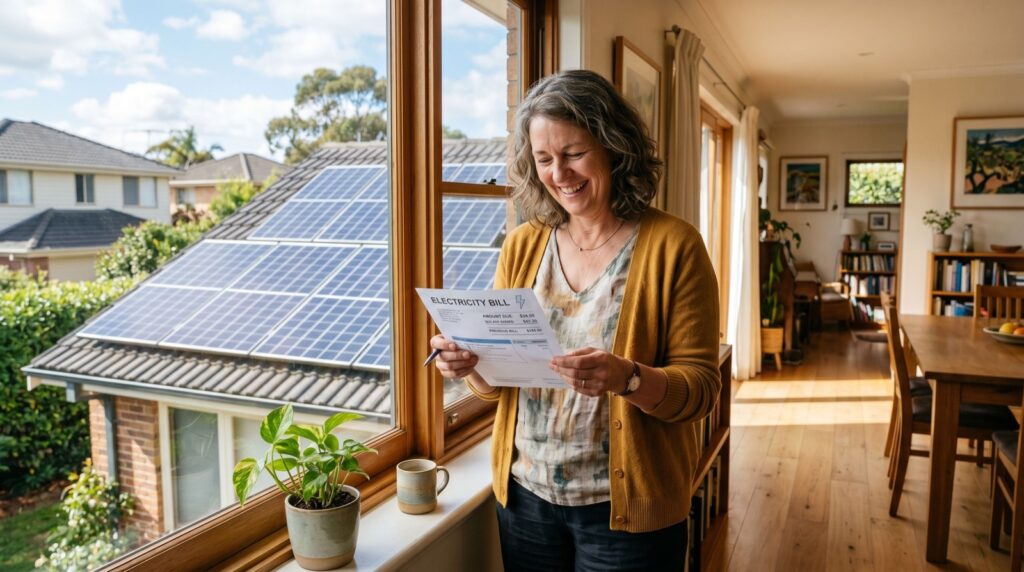
A trusted solar company can transform an ordinary home into a low-cost, high-appeal property that buyers and tenants actively seek out. As energy prices climb and eco-conscious living becomes the norm, rooftop panels have shifted from a niche add-on to a genuine value driver. This guide walks homeowners and landlords through what a good installer delivers, how much value solar adds, and the questions that separate a great provider from a mediocre one.
If you own or manage residential property in 2026, understanding solar is no longer optional. It affects your running costs, your resale price, and how quickly a listing moves.
How solar raises property value
Buyers pay attention to running costs, and a home that generates its own electricity is instantly more attractive. Studies from the National Renewable Energy Laboratory have long shown that solar-equipped homes tend to sell faster and command a premium over comparable non-solar properties.
The appeal is simple to explain to any prospective buyer:
- Lower monthly electricity bills from day one.
- Protection against future tariff increases.
- A visible, modern sustainability feature.
- Backup power potential when batteries are included.
For landlords, solar can also justify a higher rent because tenants keep more of their income when utility costs fall. A property marketed as energy-efficient stands out in crowded listings.
What a good solar company actually does
Installation is only part of the job. A capable solar company manages the entire journey — from the first roof assessment to net-metering paperwork and ongoing service. That end-to-end ownership is what protects your investment over the twenty-five-year life of the panels.
The full-service checklist
- Site survey and shading analysis.
- Custom system design matched to your consumption.
- Transparent, itemised quotation.
- Professional mounting and wiring.
- Grid connection and net-metering registration.
- Monitoring setup and after-sales maintenance.
Skipping any of these steps is where cheap deals go wrong. Just as responsible pet owners rely on reliable local experts for the right products and advice, homeowners should insist on a provider who handles every stage rather than dropping panels on the roof and disappearing.
Comparing provider types
Not every installer offers the same value. The table below compares the common options you will encounter in 2026.
| Provider type | Strengths | Watch-outs |
|---|---|---|
| Established solar company | Warranties, service network, financing | Slightly higher upfront cost |
| Small local contractor | Lower price, personal service | Limited warranty support |
| Online-only reseller | Cheap hardware | You arrange your own fitting |
For most homeowners, an established provider with a physical presence in your city offers the best balance of price, accountability, and long-term support.
Is solar worth it for your property?
The answer depends on your roof, your consumption, and how long you plan to keep the property. A quick self-assessment helps:
- Roof space: is there enough unshaded south-facing area?
- Daytime use: do you or your tenants use power while the sun is up?
- Time horizon: will you hold the property long enough to recover the cost, or sell into a solar premium sooner?
Even sellers benefit, because the payback increasingly transfers into a higher sale price rather than being lost. Location expertise matters too. A provider offering trusted service as a solar company in Islamabad understands the capital’s climate and grid, while a nationwide solar company in Pakistan can support properties across multiple cities under one warranty.
What about maintenance costs?
Ongoing costs are modest. Panels need occasional cleaning and an annual inspection, while inverters may need replacement once in their lifetime. Budgeting a small annual maintenance figure keeps output high and warranties valid.
Marketing a solar home to buyers
If you plan to sell, make the solar system a headline feature, not a footnote. Share recent electricity bills, note the remaining warranty period, and highlight any battery backup. Concrete savings figures are far more persuasive than vague green claims.
A well-documented system reassures buyers that the installation was professional and is performing as promised. That paperwork is one more reason to choose an accredited provider from the start.
Common mistakes property owners make
Even motivated homeowners trip over the same avoidable errors. Knowing them in advance saves money and disappointment.
- Chasing the lowest quote: a bargain price often hides thin warranties or budget panels that degrade early.
- Ignoring roof condition: installing on an ageing roof means removing panels later for repairs.
- Oversizing needlessly: a system far larger than your usage wastes capital you will never recoup.
- Skipping net metering: without it, surplus daytime energy is simply lost.
Avoiding these traps is mostly a matter of planning and choosing an accountable installer who explains the trade-offs honestly.
How solar supports a greener property portfolio
Sustainability is no longer a niche selling point; it is increasingly what buyers and tenants expect. A solar-equipped home signals lower running costs and a smaller carbon footprint, both of which resonate with the 2026 market.
For landlords managing several units, solar can become a portfolio-wide advantage. Standardising on one reputable provider across properties simplifies warranties, maintenance scheduling, and tenant communication. It also lets you market the entire portfolio under a consistent, credible energy-efficiency message rather than treating each home as a one-off.
That consistency compounds over time. As tariffs rise, the gap between your energy-efficient listings and conventional ones only widens in your favour.
Frequently Asked Questions
Does solar really increase resale value?
Yes. Owned solar systems typically add value and shorten time on market because buyers factor in the lower running costs. Leased systems are more complicated, so ownership is preferable for resale.
How do I verify a solar company is reputable?
Check for a physical office, verifiable customer references, manufacturer-backed warranties, and clear net-metering support. Avoid providers who quote before assessing your roof.
Can renters benefit from solar too?
Tenants benefit from lower bills when a landlord installs solar. Landlords, in turn, can market the property as energy-efficient and often justify stronger rental demand.
How long do the panels last?
Quality panels carry 25-year performance warranties and often keep producing beyond that. Inverters usually last 8–12 years before replacement.
Is battery storage worth it for a rental property?
It depends on tenant needs. Batteries add resilience during outages and can command higher rent, but grid-tied systems still deliver strong savings at a lower upfront cost.
Final word: pick your solar company carefully
The right solar company does more than bolt panels to a roof — it protects your property’s value, lowers your bills, and stands behind the system for decades. Assess your roof, compare provider types, and prioritise accountability and warranties over the lowest sticker price.
In 2026, solar is one of the smartest upgrades a property owner can make. Book a free roof assessment with a reputable local installer today and turn your rooftop into a lasting asset.