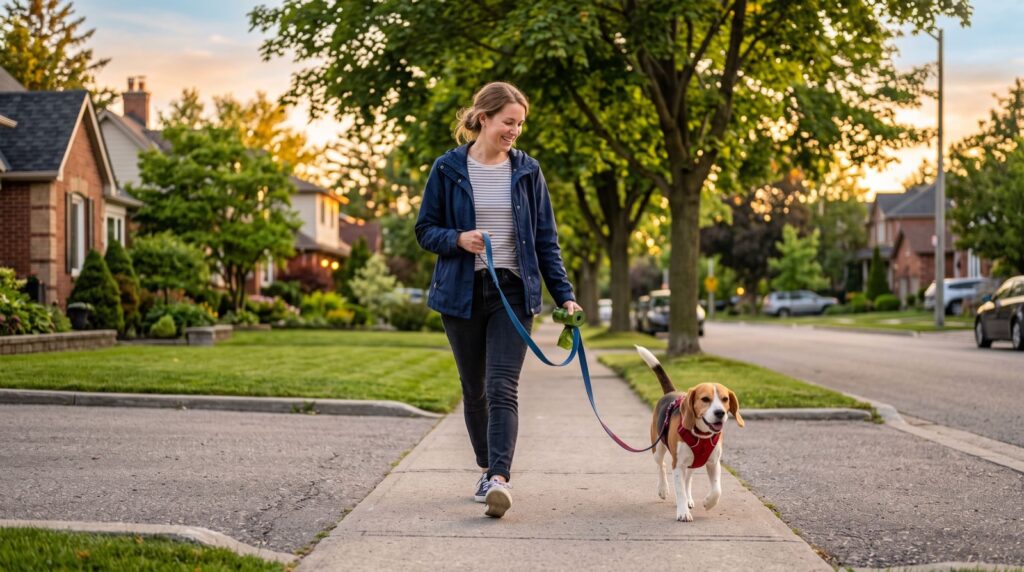
Choosing the right dog waste bag sounds trivial until a thin one tears in your hand on a cold morning walk. In 2026, dog owners are demanding stronger, more reliable supplies, and the market has responded with heavy-duty options built for real-world messes. Pairing sturdy bags with a dependable scooper turns cleanup into a clean, one-and-done routine that protects your hands and your yard.
This guide breaks down what makes a great dog waste bag, how to match bags to your scooping tool, and how to dispose of waste responsibly so it never becomes a neighborhood nuisance.
Why Bag Quality Actually Matters
Cheap bags fail in the moments you need them most: heavy loads, wet weather, and freezing temperatures. A torn bag means contaminated hands and a repeat trip to clean up.
Thicker, leak-resistant bags hold up under weight and resist punctures from gravel or twigs. They also seal odor better, which matters if you store waste in a bin before trash day.
According to the U.S. Environmental Protection Agency, bagging and properly trashing pet waste is one of the simplest ways to keep bacteria out of local waterways. The bag is your first line of defense.
Signs of a Low-Quality Bag
- Thin, see-through plastic that stretches too easily.
- Weak seams that split under weight.
- Hard-to-open edges that waste time on walks.
- Short length that leaves no room to tie a secure knot.
Heavy-Duty Bags vs. Standard Bags
The difference between a budget bag and a rugged one shows up fast. Here is how they compare across the features that matter to daily scoopers.
| Feature | Standard Bag | Heavy-Duty Bag |
|---|---|---|
| Thickness | Thin | Reinforced |
| Puncture resistance | Low | High |
| Cold-weather performance | Cracks | Stays flexible |
| Odor control | Minimal | Strong seal |
| Best for | Light, occasional use | Daily, multi-dog cleanup |
For owners who scoop every day, upgrading to heavy Dog duty Bags means fewer failures and cleaner hands. Sturdy bags are especially valuable when you use a scooper with a bag-holding design, because the bag stays open and secure during the scoop.
Matching Bags to Your Scooping Tool
The best cleanup setup treats the bag and the scooper as a team. A rugged scooper lifts the waste while the bag captures it, so nothing touches your hands.
A durable metal design like the Arm and Hammer Pooper Scooper works hand-in-hand with thick bags to make disposal seamless. Look for tools and supplies from trusted professionals who stand behind their products with clear guarantees.
A Simple Cleanup Workflow
- Load a heavy-duty bag into your scooper or hold it ready.
- Scoop the waste in a single motion.
- Invert or fold the bag to seal the mess inside.
- Tie a tight knot and drop it in a covered bin.
How Should You Dispose of Bagged Dog Waste?
Bagging is step one; disposal is step two. Tie the bag securely and place it in a lidded trash bin, not a compost pile or storm drain.
Avoid tossing bags into gutters or leaving them on trails. Even sealed, they contribute to litter and pollution. Some cities offer pet-waste stations along walking paths; use them when available.
Biodegradable vs. Standard Bags: What to Know
Eco-conscious owners often ask whether biodegradable bags are the greener choice. The honest answer is nuanced. Biodegradable bags reduce plastic use, but they need specific conditions to break down and rarely decompose quickly in a sealed landfill.
Compostable bags certified for industrial composting are stronger for the environment, but only if your municipality accepts them in an appropriate program. For most owners, the priority is a bag strong enough to never fail, then choosing a more sustainable material where it does not sacrifice reliability.
Whatever material you pick, thickness and seal quality matter most. A torn “eco” bag helps no one and forces a repeat cleanup. In 2026, the best options combine durability with reduced plastic content.
Choosing the Right Bag Size
- Small breeds: Standard-length bags are usually enough.
- Medium breeds: Slightly longer bags give room to knot securely.
- Large breeds: Extra-large, reinforced bags prevent overflow and tears.
- Multiple dogs: Larger bags let you consolidate loads efficiently.
Common Bagging Mistakes to Avoid
Even good bags fail when used carelessly. A few simple corrections make every cleanup cleaner and safer.
- Do not overfill; leave room to tie a tight knot.
- Do not store loose, untied bags in a warm bin.
- Do not reuse a stretched or previously opened bag.
- Do not leave bags in direct sun, which weakens the plastic.
Getting these basics right extends the life of your supplies and keeps odor and leaks under control between trash days.
Frequently Asked Questions
Are heavy-duty dog waste bags worth the extra cost?
Yes. Thicker bags rarely tear, seal odor better, and perform in cold weather. For daily or multi-dog households, the reliability easily justifies the small price difference.
Can I flush dog waste instead of bagging it?
Only in some municipalities and only without the bag. Most standard bags are not flushable and can clog pipes. Check your local guidelines before flushing.
Do biodegradable bags break down in a landfill?
Not quickly. Landfills lack the oxygen and light needed for fast breakdown. Biodegradable bags still help reduce plastic, but proper trashing remains essential.
How many bags should I keep on hand?
Keep a roll in your scooper, one in each jacket, and a spare stash by the door. Running out mid-walk is the most common reason people skip cleanup.
Why the Right Bag Saves You Money
It sounds backward, but cheaper bags often cost more in practice. When a thin bag tears, you use two or three to finish one cleanup, and you may need to re-clean a contaminated hand or surface.
Heavy-duty bags almost never fail on the first try, so you use exactly one per pickup. Over a month of daily walks and yard cleanups, that reliability adds up to real savings and far less frustration.
Quality also means fewer wasted bags left half-used or discarded after a tear. When every bag does its job, your roll lasts longer and your cleanup stays predictable.
Value Checklist Before You Buy
- Check the bag thickness or mil rating.
- Read reviews for tear and leak complaints.
- Confirm the length allows a secure knot.
- Look for a resealable roll or dispenser fit.
A few seconds of checking these details saves you from the most common cleanup headaches down the road.
Conclusion: Bag Smart, Clean Easy
Reliable cleanup starts with reliable supplies. Strong, leak-resistant dog waste bags paired with a durable scooper make every cleanup faster, cleaner, and safer. Stop fighting flimsy plastic and upgrade to heavy-duty gear that works on the first try. Choose quality bags today and make dog waste one less thing to worry about.